Cricket is one of the oldest and most celebrated sports in the world. Today it is followed by billions of fans across countries like England, India, Australia, Pakistan, and South Africa. The sport has evolved from a simple rural pastime into a global spectacle played in massive stadiums and watched by millions on television and digital platforms.
Early Origins of Cricket
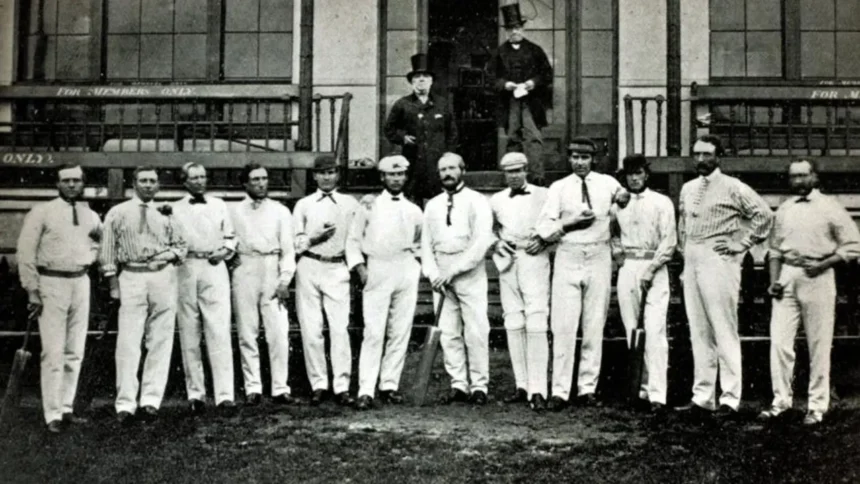
The earliest evidence of cricket dates back to the 16th century in England. Historians believe that the game was first played by children in the rural areas of southeast England, particularly in Kent and Sussex. Over time, adults began playing the game, and it slowly developed into an organized sport.
The first recorded match of cricket was played in 1646, showing that the game had already become popular among communities. By the late 17th century, cricket was gaining attention among English aristocrats, which helped the sport gain prestige and financial support.
Formation of the Laws of Cricket
As cricket grew in popularity, the need for standardized rules became necessary. In 1744, the first official Laws of Cricket were written. These laws helped formalize the structure of the game, including aspects like the pitch length, wicket dimensions, and batting rules.
Later, the Marylebone Cricket Club (MCC), established in 1787 in London, became the guardian of cricket’s laws. Even today, the MCC is responsible for maintaining and updating the official rules of the game.
The Birth of International Cricket
International cricket began in 1844 when the first international match was played between Canada and the United States. However, the first official Test match came later in 1877, when England played Australia at the Melbourne Cricket Ground.
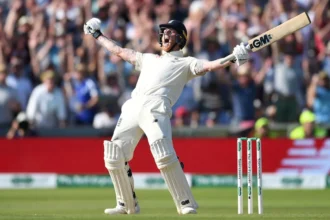
This match marked the beginning of international cricket competition and laid the foundation for one of the sport’s most famous rivalries: The Ashes between England and Australia.
Expansion of Cricket Across the World
During the British Empire, cricket spread to many countries including India, Pakistan, South Africa, Sri Lanka, and the West Indies. These nations eventually developed strong cricketing cultures and produced legendary players.
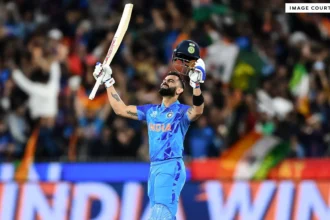
India, in particular, has become one of the biggest cricketing nations. The sport enjoys unmatched popularity in the country, with domestic tournaments like the Indian Premier League (IPL) attracting global attention.
Evolution of Cricket Formats
Originally, cricket was played only in the Test format, which could last up to five days. However, to make the game more exciting and accessible, new formats were introduced.
In 1971, the first One Day International (ODI) match was played, bringing a limited-overs format that allowed matches to finish within a single day.
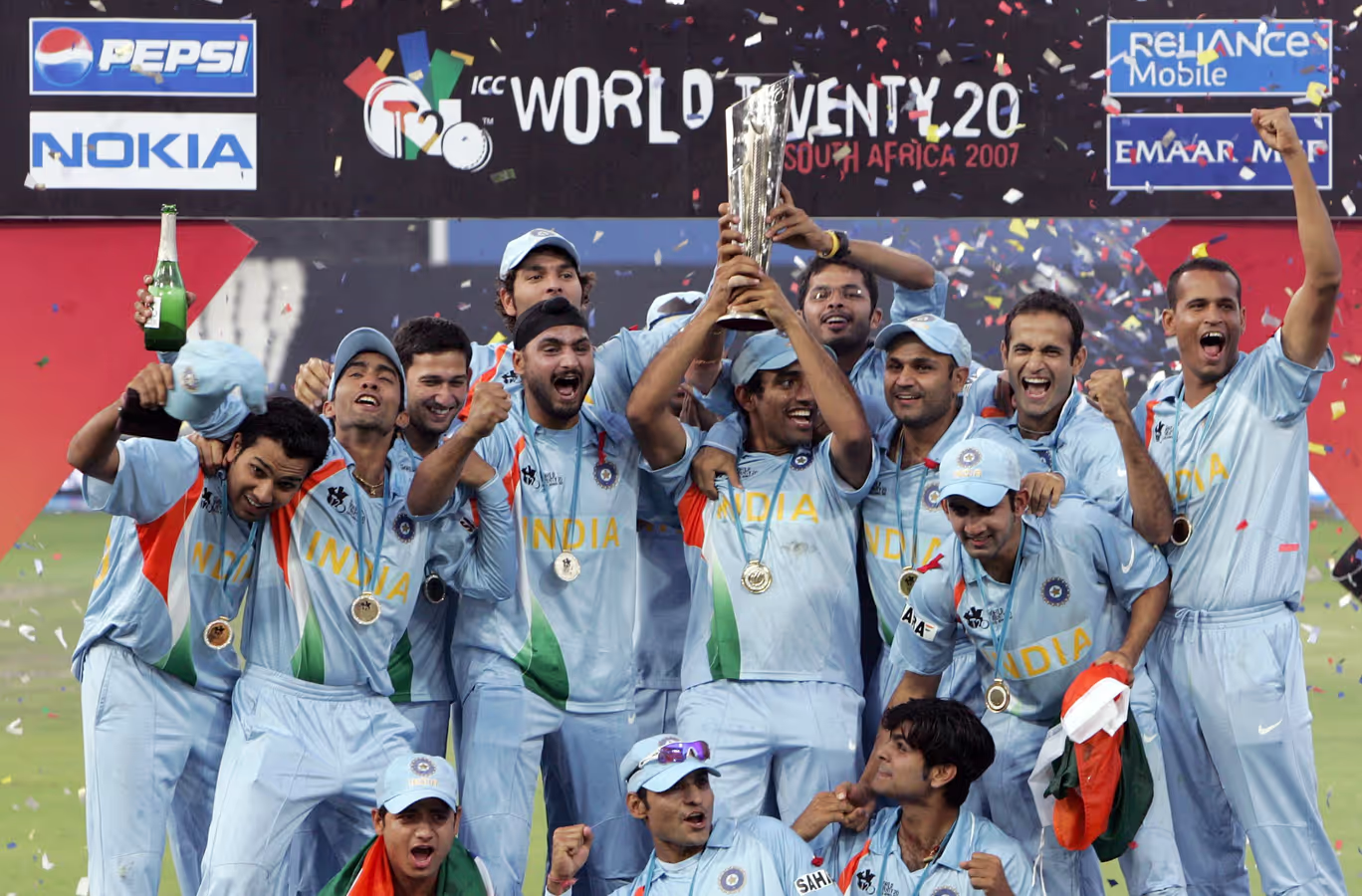
Later, in 2003, the first T20 International was played, introducing the shortest and most explosive format of cricket. T20 cricket quickly became popular due to its fast pace, big hitting, and entertainment value.
Cricket in the Modern Era
Today, cricket is governed globally by the International Cricket Council (ICC). The ICC organizes major tournaments such as the Cricket World Cup, T20 World Cup, and World Test Championship.
Technology has also transformed the sport. Innovations like the Decision Review System (DRS), ball-tracking technology, and ultra-edge have improved the accuracy of umpiring decisions.
Leagues such as the IPL, Big Bash League, and The Hundred have further revolutionized the sport by bringing franchise-based competitions and attracting top players from around the world.
Legendary Players Who Shaped Cricket
Over the years, cricket has produced many legendary players who shaped the history of the game. Icons like Sir Don Bradman, Sachin Tendulkar, Brian Lara, Jacques Kallis, and Ricky Ponting have left a lasting legacy.
These players not only set remarkable records but also inspired generations of young cricketers.
Conclusion
From a simple village game in England to a global sport followed by billions, cricket has come a long way. Its rich history, evolving formats, and passionate fan base continue to drive the sport forward.
As cricket continues to grow across new regions like the United States and Nepal, the future of the game looks brighter than ever. With new tournaments, emerging talent, and technological advancements, cricket remains one of the most exciting sports in the world today.